



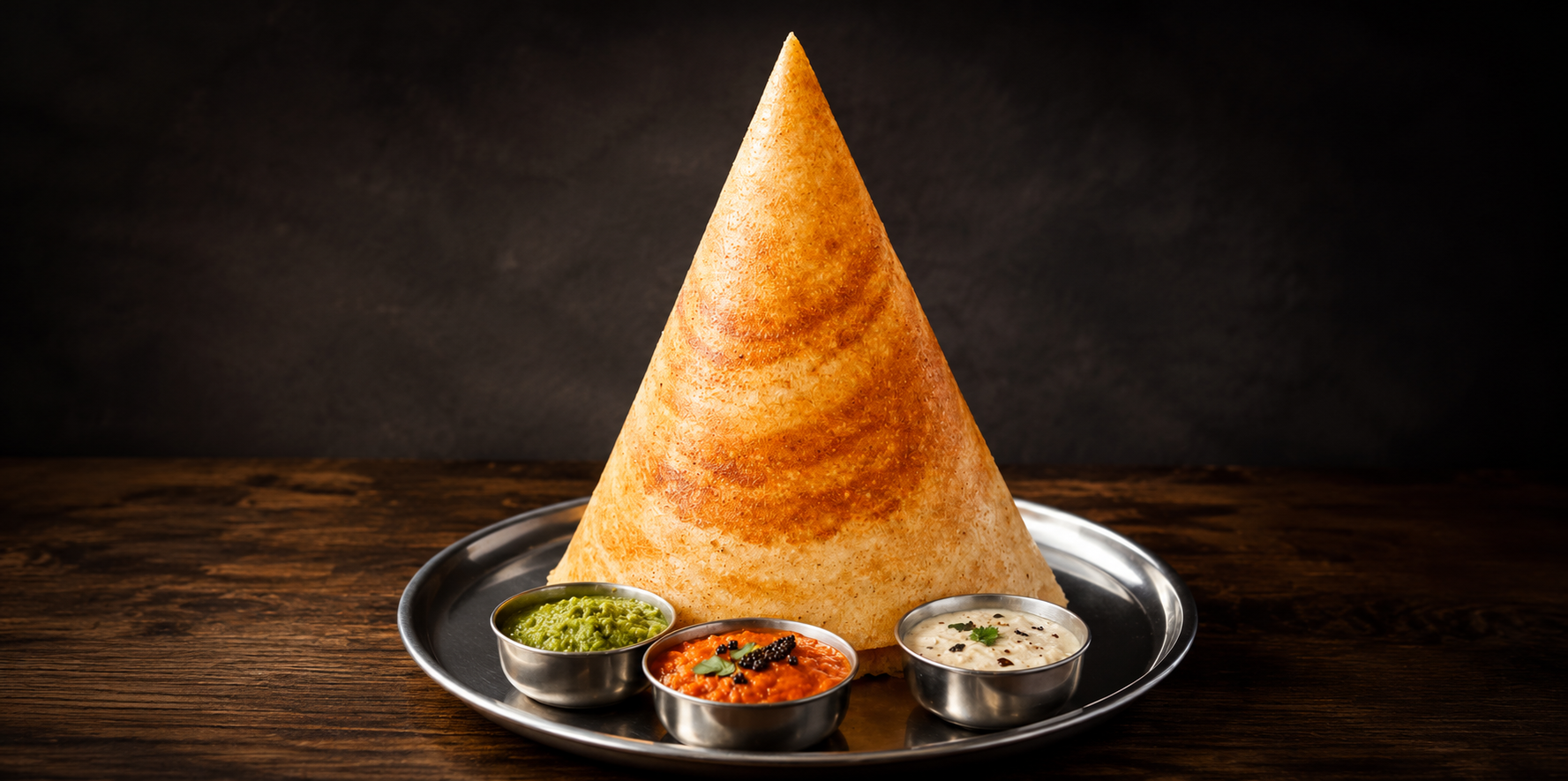
A well-made dosa proves that simple ingredients can create remarkable texture and flavor. Prepared from fermented rice-and-lentil batter, it arrives thin, golden, and crisp, often with a gentle tang developed through natural fermentation. For diners searching for Crispy Dosas in Frisco TX, the real question is not simply where dosa is available, but where it is prepared with the right batter, griddle technique, accompaniments, and regional character.
Dosa can be breakfast, a light lunch, an evening snack, or a complete dinner depending on its filling and sides. Its versatility explains why it appeals to longtime South Indian food lovers, families introducing children to regional cuisine, and first-time diners exploring vegetarian Indian food.
Table of Contents
- What Are Diners Looking for in Crispy Dosas in Frisco TX?
- What Makes a Dosa Truly Crisp?
- How Is Masala Dosa Different from Plain Dosa?
- Three Details That Shape an Authentic Dosa
- Where Sri Krishna Vilas Fits into Frisco’s Dosa Culture
- What Should First-Time Dosa Diners Order?
- Why Dosa Works for Families and Group Meals
- Frequently Asked Questions
- A Regional Favorite with Lasting Appeal
What Are Diners Looking for in Crispy Dosas in Frisco TX?
People searching for Crispy Dosas in Frisco TX usually want freshly prepared batter, a crisp exterior, balanced fermentation, traditional chutneys, flavorful sambar, and enough menu variety to suit different appetites. They are often deciding between a quick breakfast, a family meal, or an introduction to authentic South Indian cuisine.
Texture is one of the clearest signs of quality. A dosa should be crisp enough to break cleanly at the edges while remaining slightly tender toward the center. It should not feel excessively oily, rubbery, or dense.
The accompaniments matter just as much. Coconut chutney adds cool richness; tomato chutney contributes acidity, and sambar supplies warmth through lentils, vegetables, tamarind, and roasted spices. Together, they turn a thin crepe into a complete regional food experience.
What Makes a Dosa Truly Crisp?
A dosa becomes crisp when properly fermented batter is spread thinly across a thoroughly heated griddle and cooked with controlled moisture and fat. Batter consistency, fermentation time, surface temperature, and spreading technique must work together; changing even one can produce a dosa that is soft, thick, or unevenly browned.
Traditional batter usually combines rice with urad dal, a split black gram valued for structure and fermentation. The soaked ingredients are ground, mixed, and left to ferment until the batter develops a mild tang and airy texture.
On the griddle, the cook spreads the batter outward in quick circular movements. The thin layer releases moisture as it cooks, forming lace-like patterns and a golden surface. A small amount of oil or ghee encourages even browning and adds aroma without making the dosa heavy.
This cooking method explains why an Authentic Crispy Dosa Frisco TX should be eaten soon after it leaves the griddle. Crispness gradually softens as steam becomes trapped, particularly in takeaway packaging.
How Is Masala Dosa Different from Plain Dosa?
Plain dosa highlights fermented batter and crisp griddle cooking, while masala dosa includes seasoned potato filling. The filling generally combines boiled potatoes, onions, mustard seeds, curry leaves, turmeric, and mild spices, producing a more substantial meal with soft, savory contrast against the crisp shell.
A Plain Dosa in Frisco TX is useful for diners who want to understand the flavor of the batter itself. It is also easy to share and pairs naturally with several chutneys.
A Masala Dosa in Frisco TX offers greater depth. The golden potato filling is soft and aromatic, with sweetness from onions, warmth from turmeric, and nutty notes from tempered mustard seeds. Presented folded or rolled inside the dosa, it creates a satisfying contrast between crisp exterior and tender center.
Three Details That Shape an Authentic Dosa
Fermentation Adds More Than Sourness
Fermentation creates the dosa’s subtle tang, but it also affects aroma, browning, texture, and digestibility. A properly fermented batter contains tiny air pockets that help the dosa cook lightly rather than becoming dense.
Griddle Temperature Changes the Result
A griddle that is too cool produces a pale, soft dosa. If it is excessively hot, the batter may seize before it can be spread thinly. Experienced cooks regulate heat between orders to maintain an even golden finish.
Chutneys Are Functional Pairings
Coconut chutney cools the palate; tomato chutney brings brightness, and spiced lentil powder adds roasted flavor. These sides are not decorative extras; each change how the dosa tastes and helps diners adjust richness, heat, and acidity from bite to bite.
Where Sri Krishna Vilas Fits into Frisco’s Dosa Culture
Once diners understand the importance of fermentation, griddle technique, and fresh accompaniments, choosing a restaurant becomes more specific than searching for any Dosa Near Me Frisco TX.
Sri Krishna Vilas fits naturally into that decision because its menu is centered on vegetarian Indian cooking, including traditional South Indian preparations. Diners can explore dosa alongside idli, vada, uttapam, pongal, thalis, rice dishes, curries, and Indo-Chinese favorites.
This broader context matters. At a Pure Vegetarian Restaurant Frisco TX, dosa is not treated as an isolated meat-free alternative. It belongs to a menu built around lentils, vegetables, rice, fermented batters, dairy, spices, and regional accompaniments.
For Frisco residents seeking Authentic South Indian Food Frisco TX, that variety supports breakfast outings, office lunches, relaxed dinners, and weekend family meals.
What Should First-Time Dosa Diners Order?
First-time diners should begin with a plain dosa or masala dosa served with sambar and at least two chutneys. Adding Medu Vada or idli creates useful texture comparisons, while South Indian filter coffee provides a traditional finish without overwhelming the main dish.
A practical first order could include:
- Plain dosa for crispness and fermented flavor
- Masala dosa for a more filling option
- Medu Vada for a crunchy lentil-based side
- Sambar for tangy, savory depth
- Coconut and tomato chutneys for contrast
- Filter coffee to complete the meal
Spice lovers can add podi, a roasted lentil-and-chili powder often mixed with oil or ghee. Families with children may prefer plain dosa, cheese dosa, or mildly seasoned potato filling.
Those exploring South Indian Breakfast Frisco TX should remember that dosa is not limited to mornings. It is commonly eaten throughout the day and can feel equally appropriate as a light dinner.
Why Dosa Works for Families and Group Meals
Dosa suits family dining because it can be customized without changing its basic identity. One person may choose a plain version; another may prefer masala, and others can explore onion, ghee, paneer, or specialty variations.
Its presentation also makes it memorable. A large dosa arriving folded, rolled, or spread across a plate creates visual appeal, particularly for younger diners and first-time visitors. The crisp shell encourages sharing, while chutneys allow each person to control flavor intensity.
In Frisco, where weekends often involve family gatherings, community events, and group meals, dosa provides an alternative to heavy curry-and-bread combinations. It works for diners seeking Indian Breakfast Frisco TX, vegetarian lunch, casual dinner, or a shared snack before other dishes.
Frequently Asked Questions
Is dosa naturally vegetarian?
Traditional dosa batter is made from rice, urad dal, water, and salt, making it naturally vegetarian. Cooking fat, fillings, and toppings may vary, however. Diners following strict dietary preferences should confirm whether butter, ghee, cheese, or other dairy ingredients are used in specific varieties.
What is the difference between dosa and uttapam?
Both are commonly made from fermented rice and lentil batter. Dosa is spread thinly to create a crisp, delicate texture. Uttapam is poured thicker and cooked with toppings such as onions, tomatoes, chilies, or vegetables, producing a soft, pancake-like center with lightly browned edges.
Is masala dosa spicy?
Masala dosa is usually flavorful rather than intensely spicy. Its potato filling commonly includes turmeric, onions, mustard seeds, curry leaves, and mild chilies. Heat levels can differ by preparation, and diners can use chutneys, podi, or sambar to increase or balance the spice.
Are crispy dosas suitable for children?
Yes. Plain dosa is often a practical introduction to South Indian food because it has a mild flavor and appealing crisp texture. Children may also enjoy potato-filled or cheese varieties. Serving chutneys and sambar separately allows families to control spice and introduce new flavors gradually.
A Regional Favorite with Lasting Appeal
Crispy dosa is meaningful because it represents technique, patience, and regional food knowledge rather than complicated ingredients. Fermentation gives the batter character; skilled griddle cooking creates its signature texture, and thoughtfully prepared sides transform it into a balanced meal.
Sri Krishna Vilas contributes to Frisco’s vegetarian dining landscape by presenting dosa within the wider tradition of South Indian cuisine. Families, breakfast diners, vegetarian food enthusiasts, and anyone curious about regional Indian cooking can appreciate how this simple rice-and-lentil preparation becomes crisp, aromatic, versatile, and deeply connected to everyday South Indian food culture.

